The year 2025 saw several significant moments in the life of The GlenAllachie Distillery. Not only was its 12-year-old expression named the World’s Best Single Malt at the World Whiskies Awards, a ground-breaking expansion project, undertaken together with Briggs of Burton, also was completed.
BRIGGS’ partnership with the team at GlenAllachie has delivered a cutting-edge production set-up that’s enabled incredible energy savings within the wash distillation process.
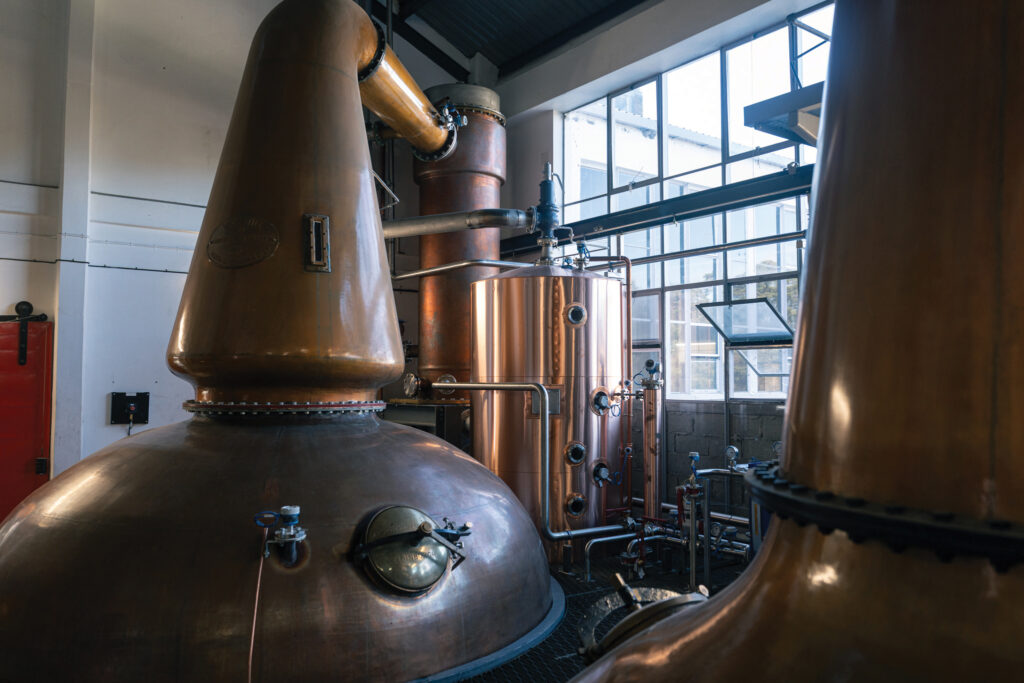
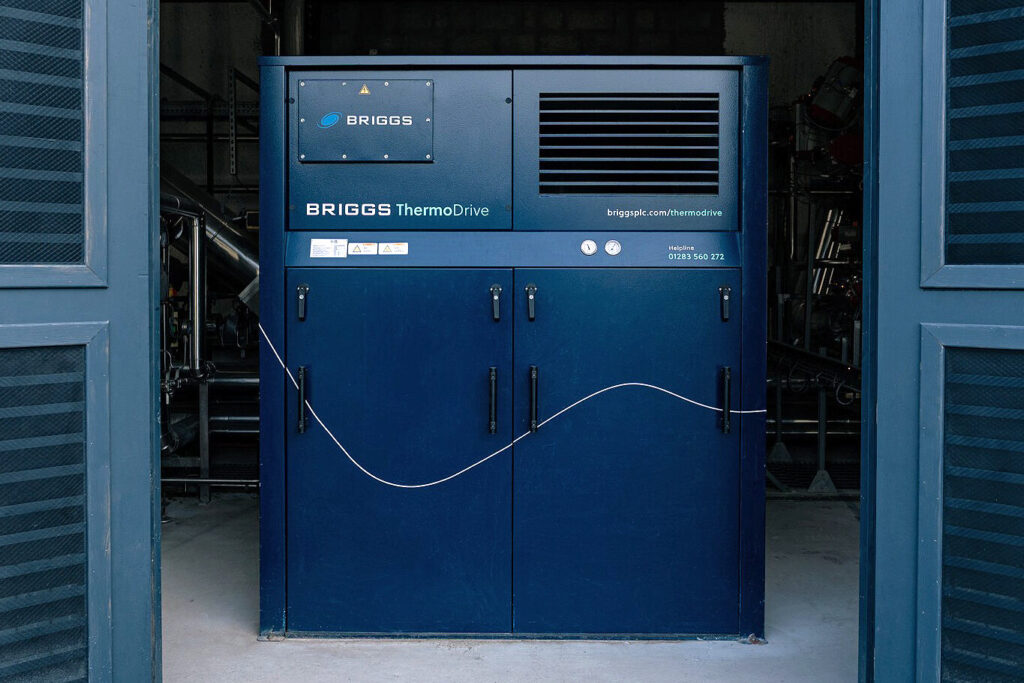
The project integrated a BRIGGS ThermoDrive unit to each of the two large (21,000 litre) wash stills at The GlenAllachie, which, importantly for the BRIGGS Group, were originally crafted by McMillan Coppersmiths (now owned by BRIGGS). This high-tech mechanical vapour recompression (MVR) system is letting The GlenAllachie slash its energy usage, by recycling heat that would otherwise be wasted during distillation. The technology was retrofitted to an existing stillhouse which first produced whisky in 1968, making the scheme’s realisation all the more notable.
It’s anticipated that the system will save 367 tCO2e per year, equivalent to the annual use of 183 diesel cars. In short, it maximises stillhouse efficiency, providing 90%+ energy savings during wash distillation. On average, it’s estimated that such efficiency translates to system payback in three years, depending on certain variables. BRIGGS ThermoDrive is just one solution within BRIGGS’ Thermo energy recovery systems range, which are helping the Scotch whisky industry’s efforts to decarbonise through fresh, sustainability-focused innovations.
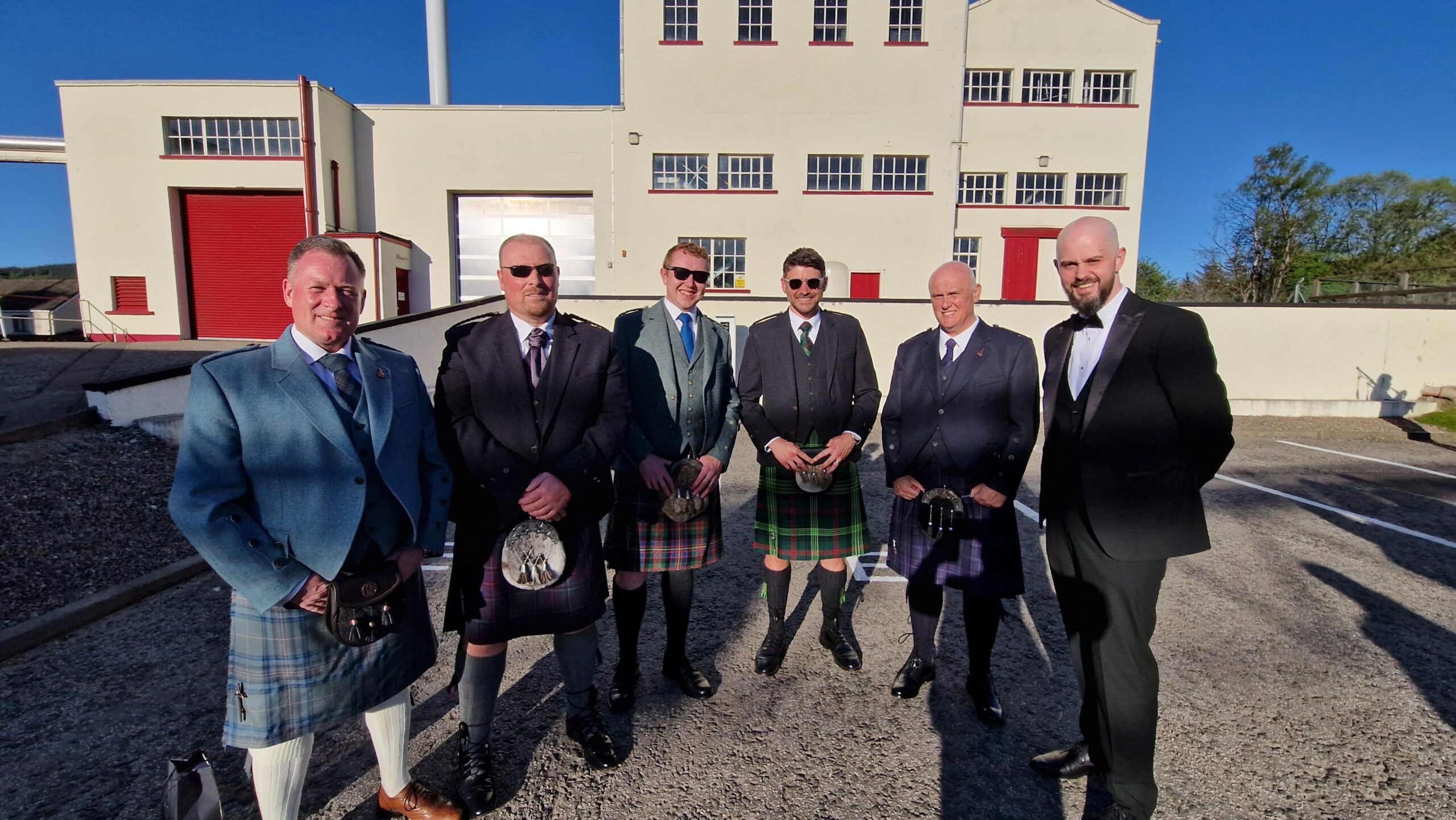
The GlenAllachie and BRIGGS have both appreciated the partnership that’s allowed this success story to develop. Alan McConnachie, GlenAllachie’s Distillery Manager, actually came out of retirement to run the project, and it seems the outcome has justified his choice.
“It’s great to see BRIGGS ThermoDrive working and achieving the efficiency we hoped it would,” Alan commented. “Every day now, we’re making significant savings in our energy consumption and to our CO2 emissions, so it’s really driving us towards our sustainability targets. The project was supported by the Scottish Industrial Energy Transformation Fund (SIETF) and, as you might expect with next-generation technology, getting the system up and running hasn’t been easy. But the results speak for themselves, it’s definitely been worth it.”